From Leaks to Lifespan: The Ultimate Roof Inspector Checklist for Homeowners
When it comes to protecting your home, the roof plays a vital role. It shields you from the elements and keeps everything underneath safe and dry. But like anything else, your roof needs regular attention to stay in top shape. Whether you're doing a quick check or preparing for a professional evaluation, having a solid checklist can make all the difference. This blog offers homeowners a simple, clear guide to what a roof inspector looks for during a residential roof inspection—so you know what to expect and how to prepare.
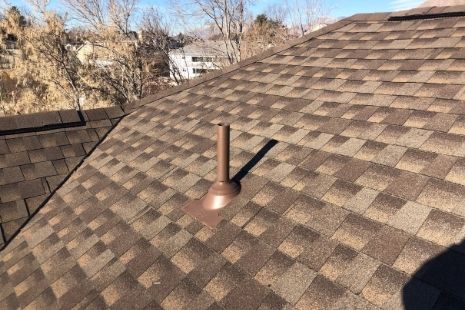
Why Regular Roof Inspections Matter
Your roof may look fine from the ground, but hidden problems can quickly grow into expensive repairs if ignored. Water leaks, damaged shingles, sagging, and mold are just a few of the issues that can sneak up on you. A proper residential roof inspection helps catch these problems early, adding years to your roof’s life and saving you money in the long run.
When Should You Schedule a Roof Inspection?
While a roof should ideally be inspected at least twice a year (usually in the spring and fall), certain situations demand immediate attention:
After major storms (hail, wind, or heavy rain)
Before buying or selling a home
If you notice water stains on ceilings or walls
When your roof is over 10 years old
The Ultimate Roof Inspector Checklist
Let’s walk through what a qualified roof inspector checks during a residential roof inspection. You can also use this checklist as a homeowner to perform a basic visual check yourself.
1. Exterior Roof Condition
Shingles and Tiles: Are any missing, broken, curling, or blistering?
Granule Loss: Excessive granules in gutters may indicate worn-out shingles.
Flashing: Is the metal flashing around chimneys, vents, or skylights rusted or loose?
Sagging or Uneven Areas: These can be signs of structural damage or trapped moisture.
Nail Pops: Nails pushing through shingles may leave openings for water intrusion.
2. Roof Penetrations and Fixtures
Chimneys and Vents: Inspect for cracks, rust, and proper sealing.
Skylights: Check seals and look for signs of water leakage.
Satellite Dishes or Solar Panels: Make sure they’re securely mounted and not causing damage to roofing material.
3. Gutters and Drainage Systems
Gutters: Should be free of debris, firmly attached, and sloped correctly.
Downspouts: Must direct water away from your foundation.
Signs of Overflow or Water Stains: Could indicate clogs or drainage issues.
4. Attic and Interior Inspection
Ventilation: Adequate airflow prevents mold and heat buildup.
Insulation: Should be dry and evenly distributed.
Water Stains or Mold: Look for discoloration or soft spots on rafters and ceilings.
Daylight Through Roof Boards: A clear warning sign of holes or thin areas.
5. Moss, Algae, and Debris
Moss or Algae Growth: Indicates moisture retention, which can damage shingles.
Tree Debris: Leaves and branches can trap water and lead to rot.
Nearby Trees: Overhanging limbs can damage the roof and encourage pests.
6. Roof Age and Material Condition
Estimated Age: Most roofs last 20–30 years depending on materials used.
Wear and Tear: Even if there’s no visible damage, aging materials may be nearing the end of their life.
What to Do After the Inspection
Once the inspection is complete, you should have a clear idea of your roof’s current condition. If the inspector finds any issues, get them repaired sooner rather than later. Minor fixes today can prevent major headaches tomorrow. Keep a record of all inspections and repairs to help track your roof’s health over time.
Conclusion: Protect Your Investment with Smart Roofing Habits

A well-maintained roof isn’t just about avoiding leaks—it’s about protecting your entire home. By following this ultimate roof inspector checklist, you’re taking proactive steps toward extending your roof’s lifespan and preventing costly repairs. Whether you do a basic check yourself or hire a professional roof inspector, regular residential roof inspection is one of the smartest habits a homeowner can adopt. Your roof may not ask for much, but a little attention now can save you a lot later.


Comments
Post a Comment